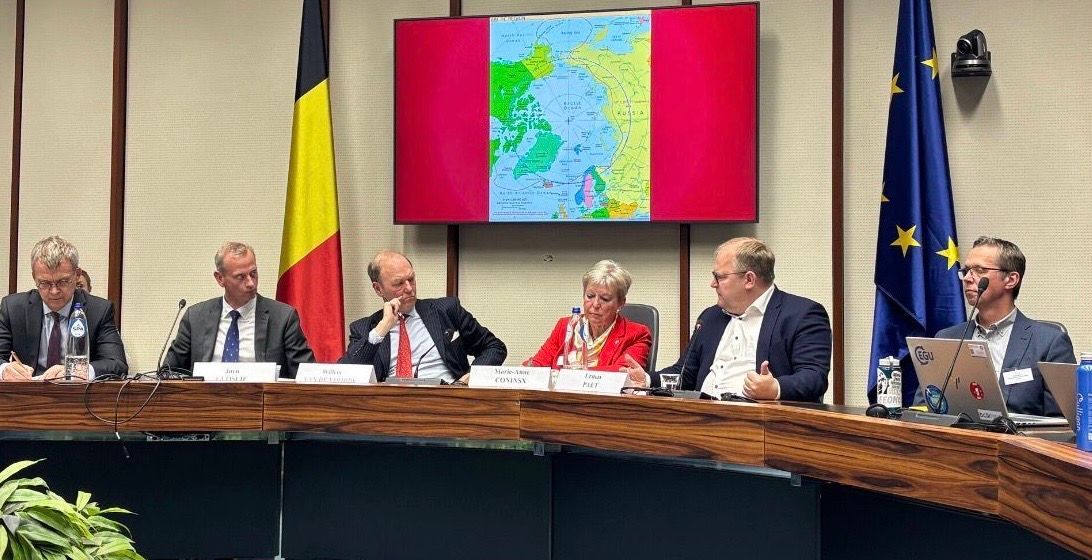
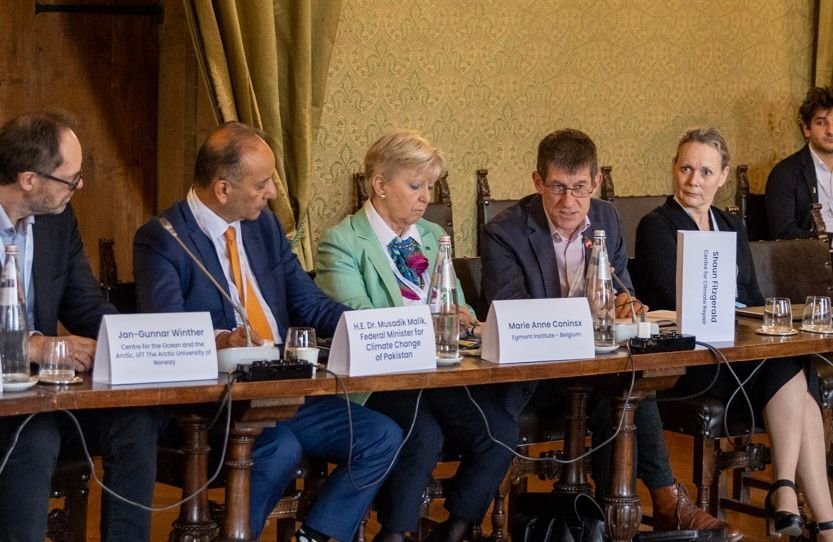
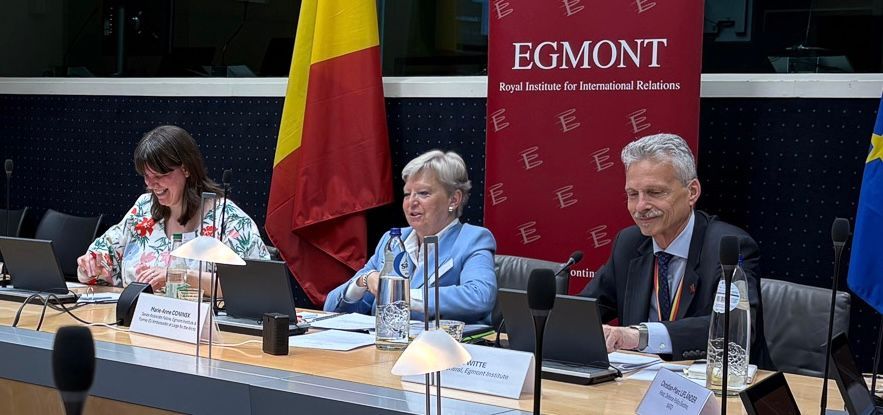
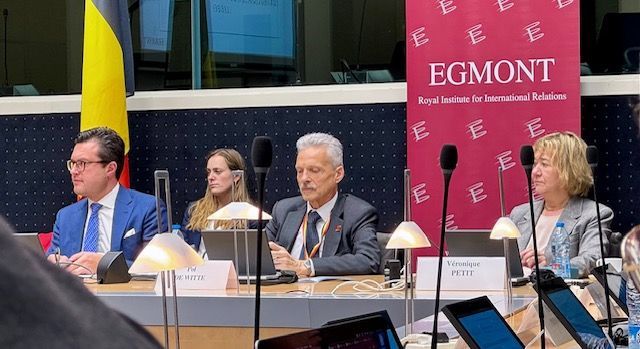
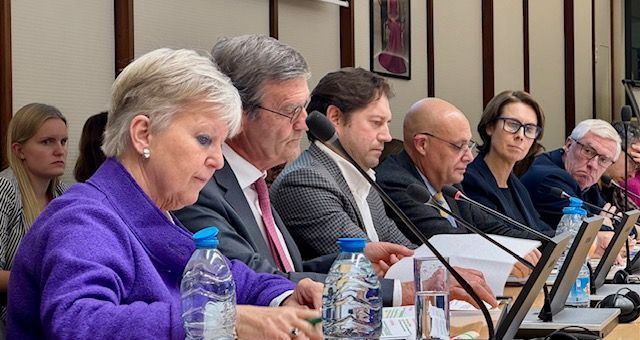
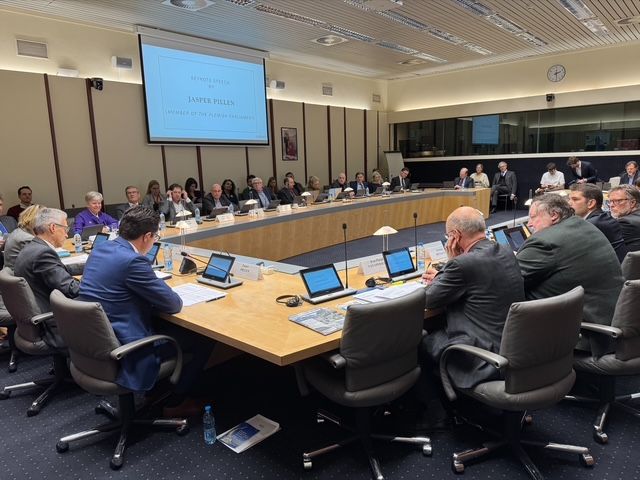
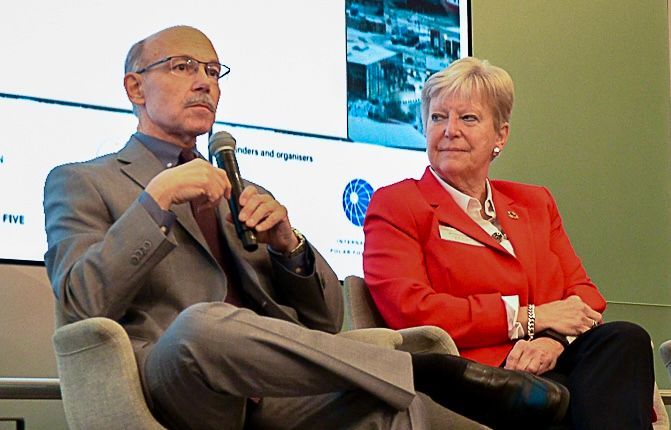
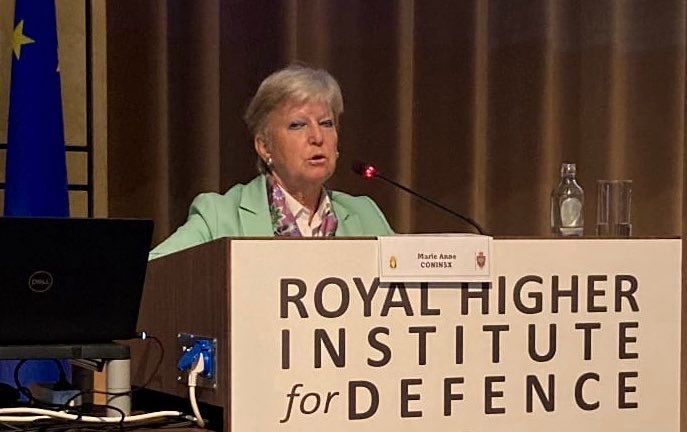
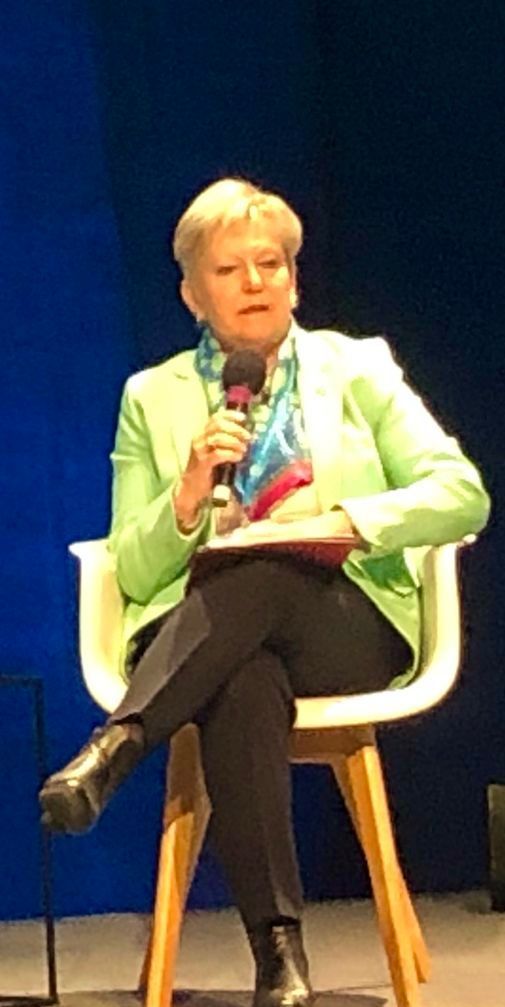
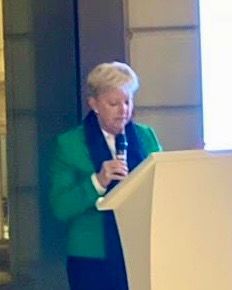
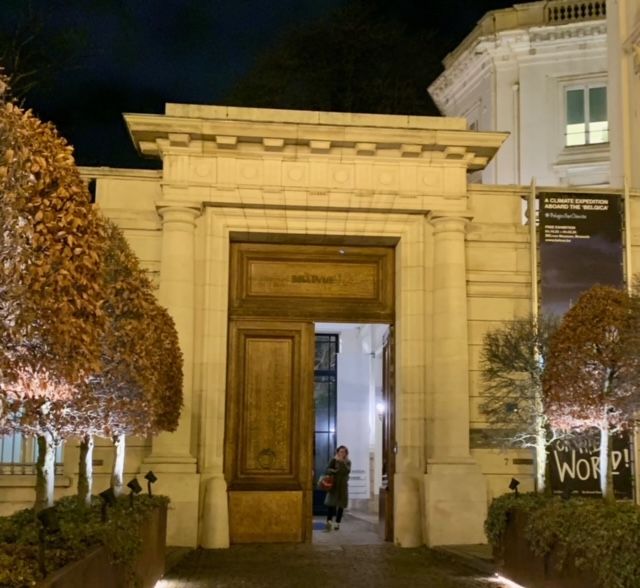
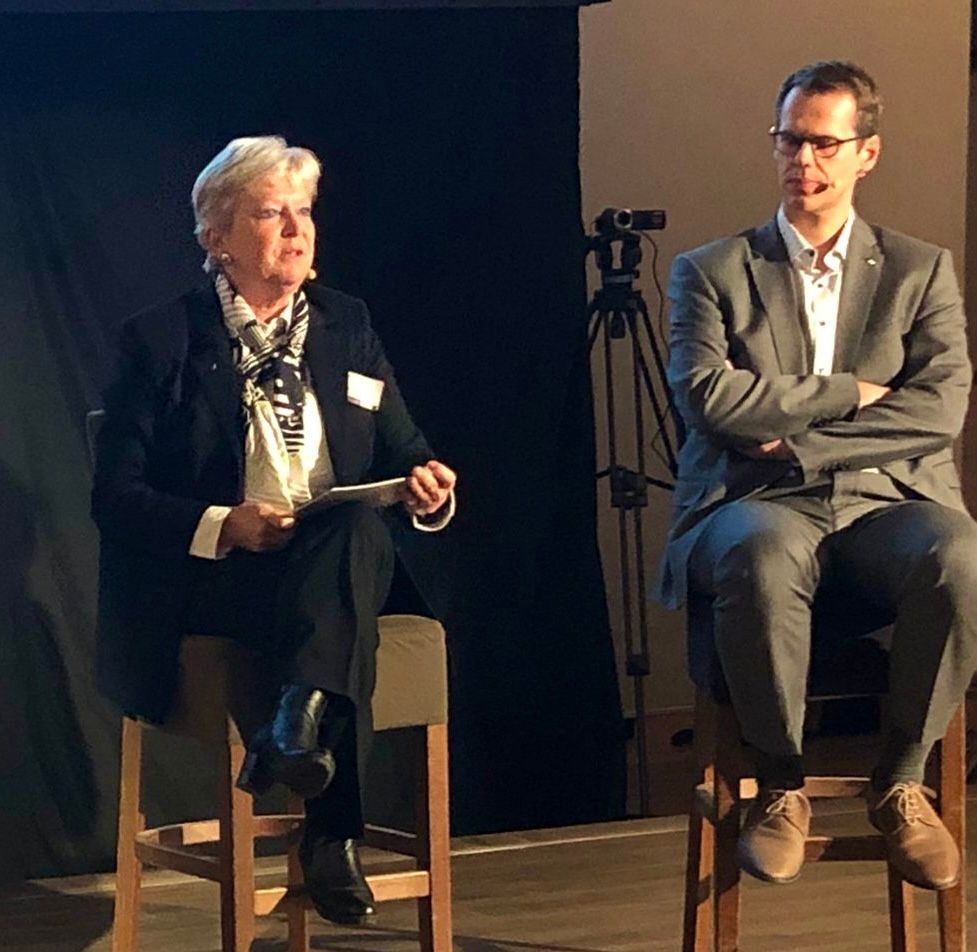
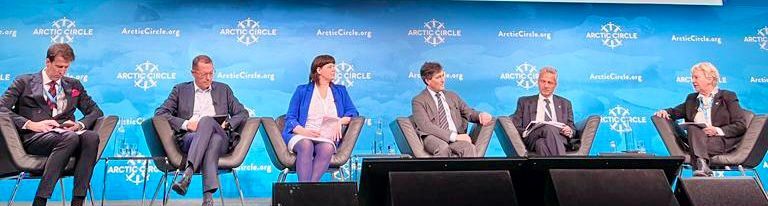
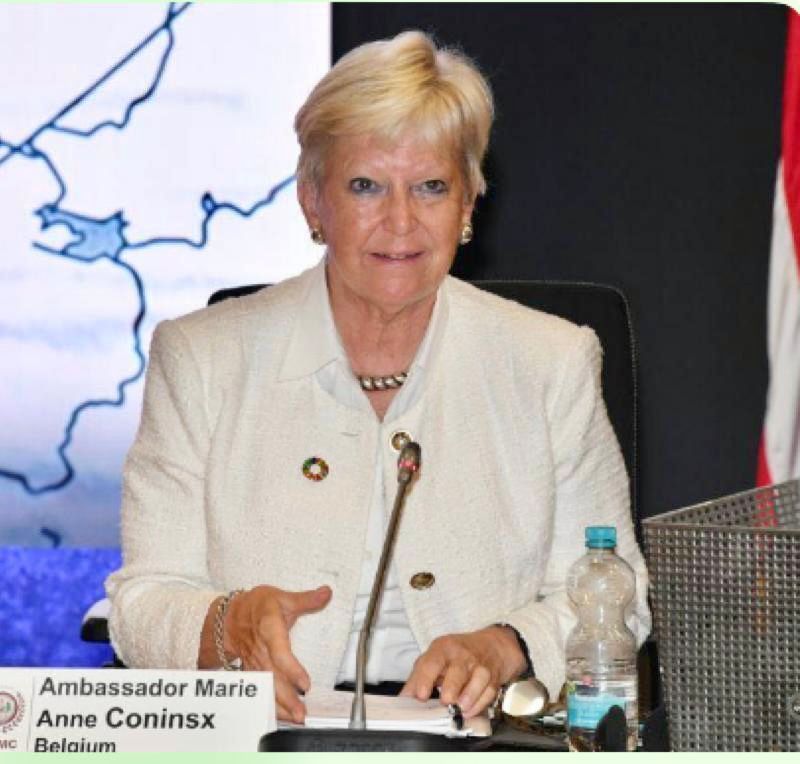
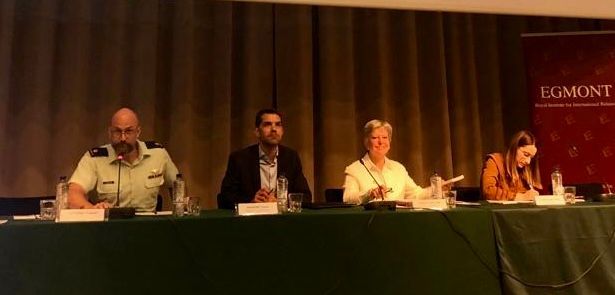
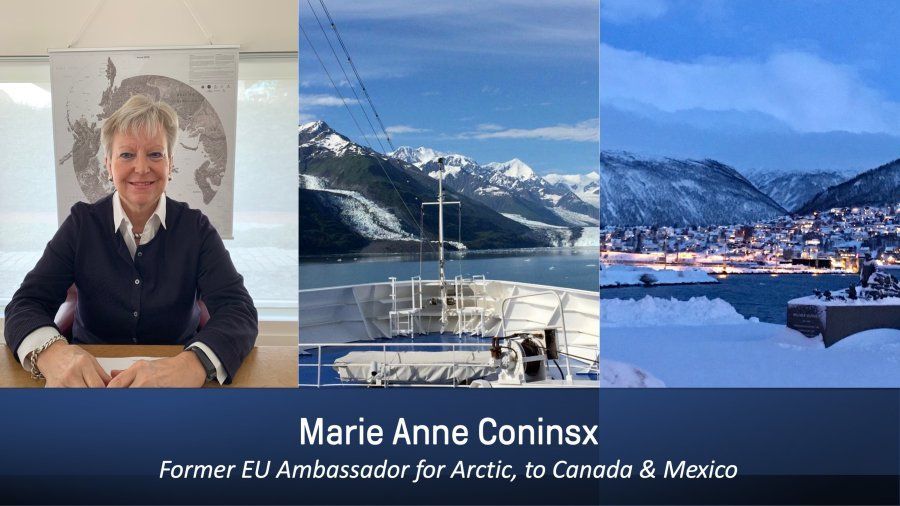
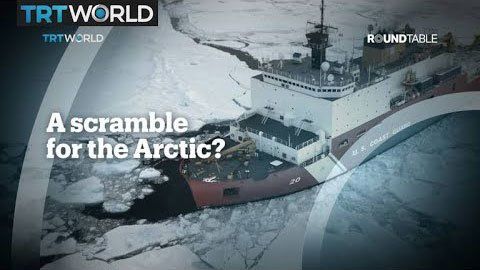
On 22 April 2026, the Egmont Institute organised a High-level Round Table discussion, entitled
“High North, high stakes: Arctic Security in a new geopolitical
era”, which I had the honor to moderate.
The event explored evolving security dynamics in the Arctic through European, transatlantic, and national lenses, underlying both challenges and opportunities of cooperation. The discussion took place in light of the ongoing process of updating the current EU Arctic policy of 2021.
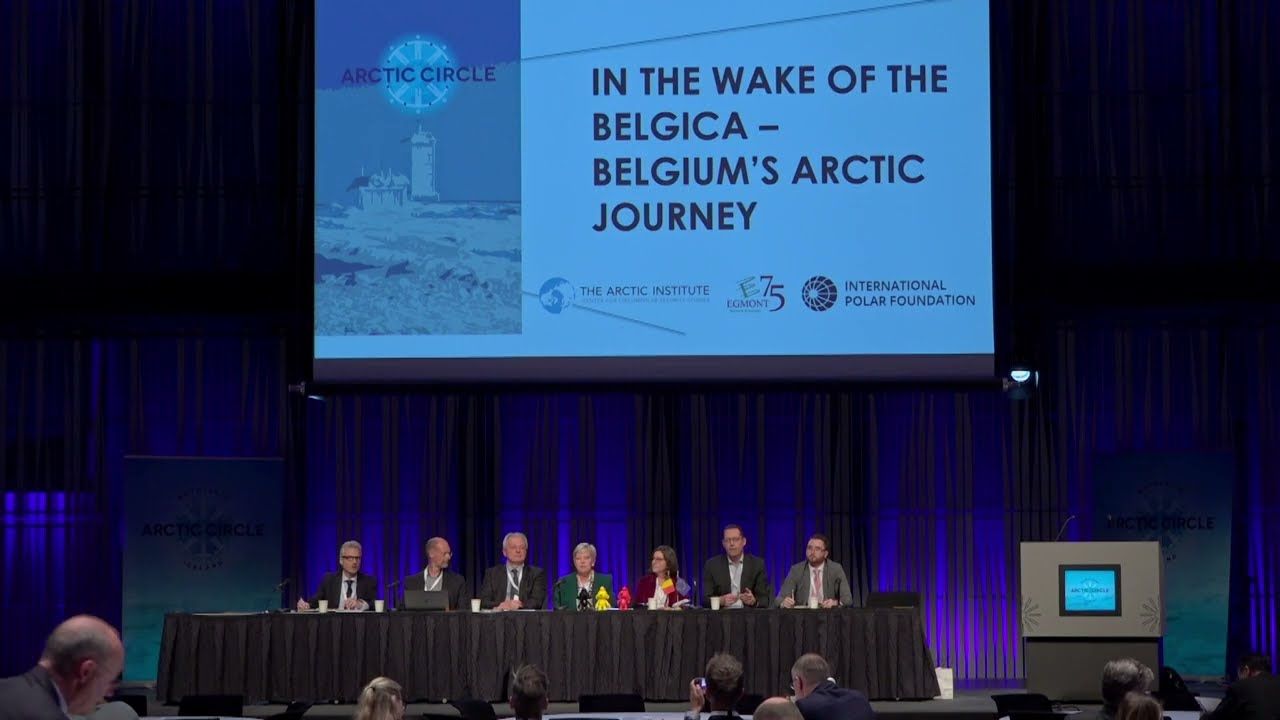
The high-level panel included MEP (Member of the European Parliament)
Urmas Paet, Ambassador
Willem van de Voorde - Permanent Representative of Belgium to NATO, and the Norwegian Ambassador to Belgium
Jørn Gloslie. Several other prominent participants offered valuable insights, such as the Ambassador of Iceland to the EU and Belgium, the Director of the North Sweden office in Brussels, and Ambassador
Michel Tilemans - Coordinator on the Arctic at the Belgian Ministry of Foreign Affairs.
This was a timely discussion since the strategic importance of the Arctic has increased substantially. The Arctic is very much affected by geopolitical developments. It has become a focal point for many countries, getting extra attention following the controversy regarding Greenland. The geoeconomic importance of the Arctic is also skyrocketing. The region has abundant natural resources including critical minerals, with the potential of contributing to Europe strategic autonomy. And finally, the region has become crucial for security and defence activities.
The increased importance of
Arctic security was highlighted throughout the discussions. The Arctic is no longer a remote periphery but a frontline of European security, especially due to Russia's militarization of its Arctic, of its aggressive stance towards the West, and of China's increasing influence in the region. Arctic security got a particularly boost for the Europeans, due to President Trump's claim to acquire Greenland, even threatening to take it by force, if needed.
The event was also timely because of the EU's ongoing process of updating its EU Arctic policy of 2021. There is no doubt that Arctic security will figure high in the updated policy. Finally, this discussion was timely, as Belgium is currently developing its first Arctic strategy. From the outset of this exercise, the Belgium defence sector has demonstrated a strong interest in shaping this strategy.
The round table discussion started with the keynote address of MEP
Umas Paet who presented the main findings of his Report, adopted by the European Parliament in November 2025, on
EU´s diplomatic strategy and geopolitical cooperation in the Arctic. The EP calls hereby for a stronger, more robust and more coherent EU role in Arctic security. MEP Paet is a long-time strong advocate within the European Parliament on Arctic affairs, enriching discussions with his solid experience as former Estonian Minister of Foreign Affairs.
Ambassador
Willem van de Voorde addressed the role of NATO, regarding Arctic security, as important developments have taken place over recent years. Russia´s invasion of Ukraine, triggered Finland and Sweden - both Arctic countries - to join NATO. NATO is rapidly increasing its presence in the Arctic to counter Russia’s strengthened military presence and hybrid warfare activities in the region. NATOhas also launched operations like
Arctic Sentry in 2026 to strengthen deterrence, by enhancing intelligence gathering and surveillance of the region, while ensuring a persistent and coordinated allied presence. Ambassador
van de Voorde addressed also Belgium´s contribution to Arctic security within the EU and NATO context.
Ambassador
Jørn Gloslie focused on the role of Norway as a strategic partner of the European Union, a key NATO ally, and a crucial player regarding Arctic security. The latter is illustrated by Norway’s new Arctic strategy of 2025, a more proactive defence-oriented policy, focusing on security, surveillance and strong NATO integration in response to increased geopolitical tensions. He stated also that Norway and Belgium maintain a very strong and close relationship, which includes a focus on energy security, defence cooperation and maritime trade. This strategic alliance was exemplified by the recent successful Belgian State visit to Norway in March 2026.
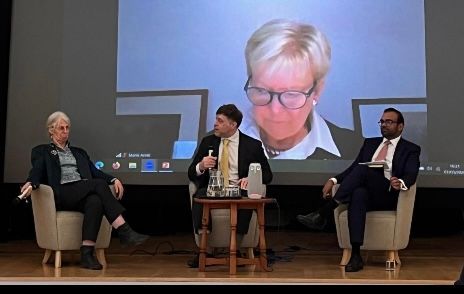
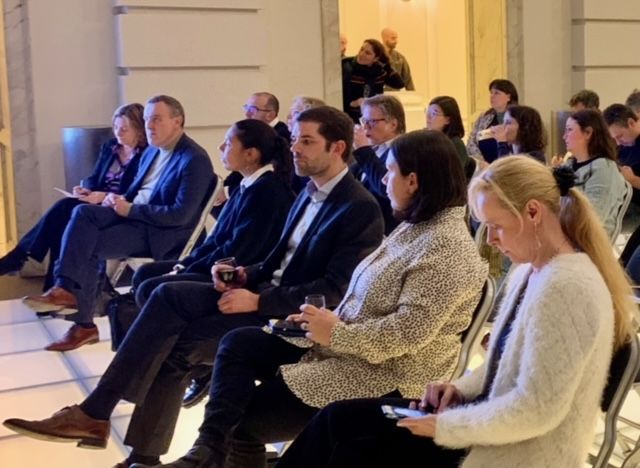
Following the presentations, a lively discussion took place with members of the audience, which included also critical statements on EU´s engagement in the Arctic, and the need for an increased proactive role of the EU on Arctic security.
In summary, this distinguished roundtable contributed significantly to the Egmont Institute by adding another successful event focused on Arctic affairs.